
Issue 160, March 27, 2026 ✨ Higher Power Coaching & Consulting ✨
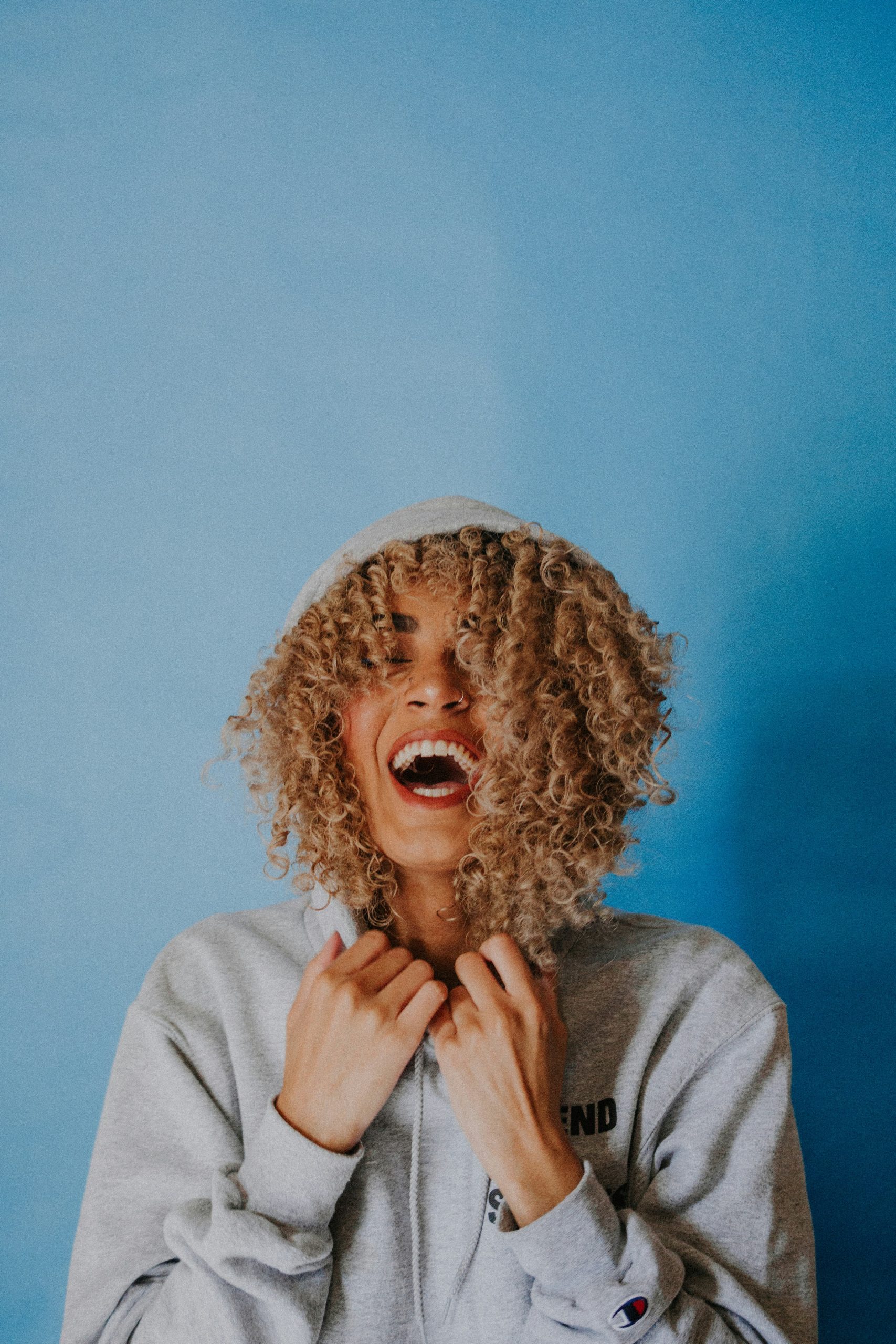
I realized something recently that feels both simple and profound.
I don’t feel like I have to hide anymore.
For most of my life, I did, but I didn’t even realize that’s what I was doing. It wasn’t in obvious ways. It’s not like I was disappearing from the world. It was by carefully managing what people saw.
The Many Ways We Hide
One of the ways I hid was by isolating. Another was by lying. Not the dramatic kind of lying where you invent stories or deceive people about big things. My main form of lying looked much more socially acceptable – it was through people pleasing. I would say I was happy to do things for (or with) other people that I really didn’t want to do.
“Sure, that sounds great.”
“I’d be happy to help.”
“No, I don’t mind at all.”
Meanwhile, inside, I felt completely different. I didn’t want to do it. I was resentful, exhausted, and overwhelmed. But I didn’t want anyone to see that. So I hid by lying.
Secrets Are What We Use When We Don’t Have Boundaries
Recently, I came across something in an old recovery journal of mine that explained this perfectly. It said:
“If we have no boundaries in our families, we tell lies so we can have privacy. Secrets stand in for boundaries.” I don’t know where I heard or read that, but it really struck me because it perfectly described my life before recovery. I didn’t have boundaries, so I created secrecy.
I didn’t tell people what I really thought, didn’t say when I didn’t want to do something and I didn’t admit when I made a mistake.
Instead, I hid.
But once I started developing boundaries, something changed. I didn’t feel the need to hide anymore.
Learning to Be Human in Public
One of the biggest shifts in my life was realizing I didn’t have to hide the fact that I’m flawed, and I didn’t need to present like I have it together 24/7 under all circumstances. That might sound obvious. But for years, I carried around a subconscious belief that I wasn’t supposed to have any flaws, and if I had them, I Goddamn well better hide them!
Somewhere along the way, I absorbed the idea that I was just not supposed to have flaws. And if people discovered that I had them, they’d reject me.
So I hid the evidence.
I covered my mistakes, pretended things were fine, and I tried to manage my image. But recovery changed that. Today, when I make a mistake, I can simply say:
“Oops!”
And surprisingly, the world doesn’t end. I don’t collapse into a flood of shame. In fact, I typically smile and have a sense of relief, knowing that I get to be flawed in public. And other people don’t hate or ridicule me.
Repair Instead of Hiding
One of the greatest gifts recovery gave me was learning what to do when I mess up. Before, mistakes felt like catastrophes. Now, they feel manageable. If I make a mistake, I own it. If I hurt someone, I apologize. Then I change my behavior. That’s it. No more raking myself over the coals because “I shouldn’t have done that” or “I should have known better.”
When you know how to repair things, you don’t have to hide from them anymore. You don’t have to pretend you’re perfect. You can just be human.
Boundaries Make Honesty Possible
Another reason I don’t feel like I have to hide anymore is that I’ve learned to communicate directly. If I want something, I ask and I don’t feel like shit about it. If I need something, I say so. If I don’t want to do something, I’m honest about that too, instead of hoping people will magically figure it out (or manipulating situations so I can get what I want without saying it out areloud).
Boundaries make honesty possible. Without boundaries, honesty can feel dangerous. With boundaries, honesty becomes normal.
The Unexpected Bonus
Something else happened when I stopped demanding perfection from myself. I became more tolerant of other people’s imperfections too! It turns out we’re all flawed. Every single one of us (including you!).
Just because someone has flaws doesn’t mean they’re not awesome. And just because someone is awesome doesn’t mean they’re not flawed. Which leads me to one of my favorite words.
“Flawsome.”
It means we’re both flawed and awesome. You don’t have to hide your flaws, you don’t have to pretend you’re perfect. You can simply be human.
What We Explored This Month
This article wraps up a series I’ve been writing about internal boundaries. Most people think boundaries are about what you say to other people. But the truth is, the most important boundaries happen inside you.
Over the past month, we explored several ways internal boundaries show up in everyday life:
Internal boundaries help you handle the emotional aftermath of setting limits. Guilt, shame, second-guessing, and the urge to fix things are often the hardest part.
Internal boundaries create discipline and integrity. They help you stop abandoning yourself and live in alignment with what you know is right for you.
Internal boundaries help you notice patterns sooner. Practices like a nightly inventory make it easier to spot self-abandonment and clean things up quickly.
Internal boundaries free you from the need to hide. When you know how to repair mistakes and honor your needs, you don’t have to pretend to be someone you’re not.
You can just be human. Flawed. And awesome.
Flawsome.
Final thought
The more internal boundaries you build, the less energy you spend managing how you appear to others. And the more freedom you have to simply live your authentic life.
Ready to put this into practice?
If this episode resonated with you, the next step isn’t learning more about boundaries. It’s learning how to feel safe enough to actually hold them.
That’s why I created Boundaries That Hold: How to Stop Overriding Yourself in Real Time. It’s a self-paced course that teaches you how to stay connected to yourself when it matters most, so your boundaries become something you can actually live, not just understand.
Find this helpful? Share with a friend:
Like what you've read and heard?
Try subscribing to my monthly newsletter, "Happy, Joyous and Free."
It will help you change your dysfunctional patterns of behavior.
Want to chat with me about your boundaries? Hop onto my calendar here for a free 30-minute Better Boundaries call.