
Issue 170, June 5, 2026 ✨ Higher Power Coaching & Consulting ✨
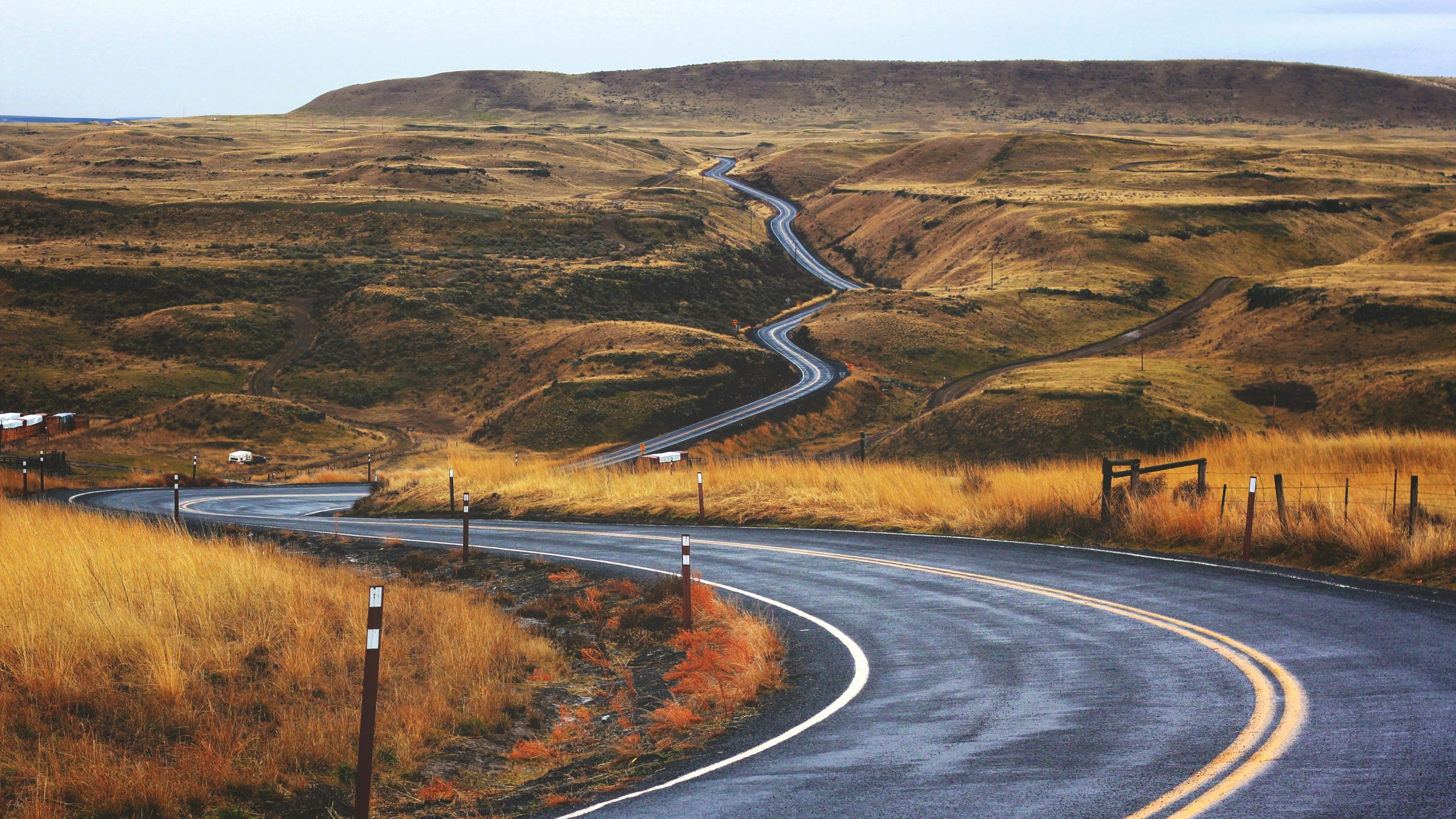
How to Create Safer Relationships Using the Rules of the Road
One day, I was driving home from my sweetheart’s house when I found myself getting irritated at a familiar sight. There’s a particular intersection where people frequently turn left on red. It’s illegal, it’s dangerous, and it seems to happen all the time.
As I sat there watching someone do it yet again, I had a realization: The rules of the road are really just boundaries.
Think about it.
Traffic lights. Stop signs. Speed limits. Turn signals. Lane markings. They’re all limits designed to create safety and flow. Without them, driving would be complete chaos.
And the same is true in our relationships. Most people think of boundaries as restrictions. They imagine walls, rules, ultimatums, or ways to control other people.
But healthy boundaries aren’t about control. They’re about creating enough safety and predictability for people to move through life together without constantly crashing into each other. Just like traffic laws.
Stay in Your Lane
One of the most important rules of the road is staying in your own lane. If you drift into someone else’s lane without warning, you’re creating danger. At best, you startle them. At worst, you cause an accident.
The same thing happens in relationships. For years, I had a habit of drifting into other people’s lanes. Well, maybe not “drifting,” it was more like charging into other people’s lanes.
I offered unsolicited advice. I worried about decisions that weren’t mine to make. I spent a lot of time trying to manage situations that weren’t actually my responsibility. In other words, I wasn’t staying in my own lane.
One of the biggest shifts I’ve made in recovery is learning that my job isn’t to drive someone else’s car. My job is to drive mine.
That doesn’t mean I don’t care about other people. It means I recognize where I end and they begin. When we stop trying to manage other people’s thoughts, feelings, choices, and reactions, life gets a whole lot simpler.
Use Your Turn Signal
One of my pet peeves is when someone changes lanes without using a turn signal. The purpose of a turn signal isn’t to ask permission, it’s to communicate intention to set others’ expectations about your behavior.
It’s a way of saying, “Here’s what I’m about to do so you can respond accordingly.”
Healthy boundaries work the same way. Many of us expect people to somehow know what we need without us ever saying it. We assume they should know that we’re overwhelmed or uncomfortable or what we want. But people aren’t mind readers.
Boundaries require communication. Sometimes that communication sounds like:
“I’m not available that evening.”
“I need some time to think about it.”
“I’d rather not discuss that.”
“Please call before stopping by.”
Using your metaphorical turn signal doesn’t guarantee everyone will like where you’re headed. It simply gives them information. Clear communication creates clarity and clarity creates safety.
Respect Construction Zones
Construction zones have always fascinated me. When you’re driving through one, everything changes. The speed limit drops, lanes narrow and of course traffic slows down (as it should, for everyone’s safety). Everyone is expected to adjust.
Nobody expects a construction zone to operate like a finished highway. Yet many of us expect ourselves to function as though we’re never “under construction.”
We expect ourselves to have all the answers and know exactly how to set boundaries from the beginning. We often expect ourselves to be able to change overnight. But growth doesn’t work that way.
When you’re learning to set healthier boundaries, you’re under “construction.” When you’re healing old wounds, you’re under construction. When you’re practicing putting yourself first after years of over-giving, you’re under construction. That doesn’t mean something is wrong with you. It means you’re doing important work that requires you to slow down.
Construction zones require extra patience, extra awareness, and lower speeds. The same is true for personal growth.
The Real Lesson
Here’s what I find most interesting about the rules of the road. They don’t exist to control other drivers. They exist to help each driver manage themselves. And that’s exactly how boundaries work.
One of the biggest misconceptions about boundaries is that they’re a tool for controlling other people’s behavior. They’re not. Boundaries are about deciding what you will do. What you will allow. What you will participate in. What you will say yes to. What you will say no to.
Just like driving, you can’t control what everyone else does. You can’t stop someone from speeding or tailgating or running a red light. And you can’t stop people from being disappointed, upset, demanding, intrusive, or disrespectful.
But you can decide how you’re going to drive. You can decide whether you’re going to stay in your lane, obey your own signals or slow down when conditions require it. That’s where your power is.
Why This Creates Internal Safety
One of the most important things I’ve learned over the years is that boundaries don’t just create safety in relationships. They create safety inside of us.
When you stop managing everyone else’s emotions, you feel safer. When you stop overriding your own needs, you feel safer. When you stop treating other people’s reactions as emergencies, you feel safer.
Internal safety isn’t about making life comfortable. It’s about knowing you won’t abandon yourself when life gets uncomfortable (because it will). Healthy boundaries help create that kind of safety – they help you stay anchored in your own reality instead of getting pulled into everyone else’s.
Becoming a Seasoned Driver
When you first learn to drive, you’re thinking about everything. Your hands on the wheel. Where the mirrors were positioned. The speed limit, the turn signal, the brake pedal. Every decision requires conscious effort.
Eventually, though, driving becomes part of who you are. You don’t have to think about every little thing.
The same thing happens with boundaries. In the beginning, setting boundaries can feel awkward and exhausting. You have to pay attention constantly. You have to think through situations and decide what feels right for you.
But over time, something changes. Boundaries stop being something you do and they become part of who you are.
That’s why I often say:
I don’t set boundaries.
I have boundaries.
They’ve become part of how I move through the world. Just like driving.
So the next time you find yourself drifting into someone else’s lane, blowing through an emotional red light, or trying to direct traffic in somebody else’s life, pause for a moment.
Ask yourself: What would the rules of the road say here?
Because life gets a whole lot easier when you stop trying to drive everyone else’s car and learn to confidently drive your own.n to stop pretending.
Find this helpful? Share with a friend:
Like what you've read and heard?
Try subscribing to my monthly newsletter, "Happy, Joyous and Free."
It will help you change your dysfunctional patterns of behavior.
Want to chat with me about your boundaries? Hop onto my calendar here for a free 30-minute Better Boundaries call.